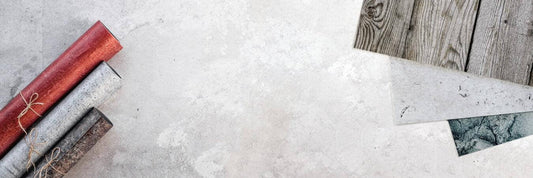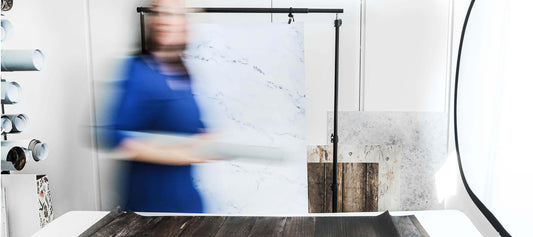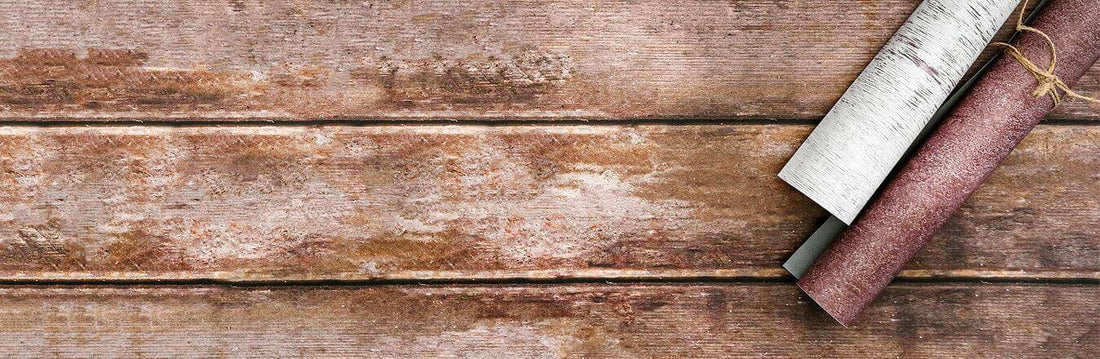
Backgrounds are an essential element in food photography as they can add context, atmosphere, and style to your images. Here are some tips for choosing the perfect backgrounds:
Consider the food and your style: First, think about the type of food you're photographing and your photography style. For example, if you're photographing delicate, colorful foods, you might prefer a neutral background to make the colors pop. If you're going for a more rustic style, you might opt for a wood or stone background, or a darker tone. 
Choose a versatile option : Look for a backdrop that complements a variety of foods and photography styles. For example, a neutral background or a marble surface can work well with many food types and styles.
Create contrast : If the food you're photographing is very light or has light hues, look for a dark background to create contrast. Conversely, if the food is dark, opt for a light background to bring out the details. You can also shoot tone-on-tone, but play around with the lighting. A chocolate cupcake against a dark background is certainly gorgeous, but achieving the perfect mix is not as easy.
Play with textures : Textures can add visual interest to your images. Choose a textured background that complements your food. For example, a rough surface can work well with rustic or traditional foods.
Material : The tough decision: rigid or vinyl?

The vinyl background It's flexible, opaque, easy to transport and clean. It can be easily rolled up and stored away when not in use, taking up very little space. Furthermore, once unrolled, it flattens in just a few minutes, just enough time to adapt to the new surface.
The hard background It offers a more solid and stable surface for your photos, is washable, opaque, and lightweight. However, it has some drawbacks. It's definitely bulkier, less practical to transport, and more fragile as it can chip.
Weigh the advantages and disadvantages of both materials and choose the one that best suits your needs. Of course, price also plays a role in this choice, I'm not denying that.
Create a recognizable style : If you're working on a branded project, whether your own or for a client, consider using a specific background that creates continuity and a recognizable style for your images. It could be a rustic wood backdrop, a set of vintage tiles, or a neutral stone backdrop, for example.
Consider the size : Consider the size of the background in relation to the food you're photographing. Make sure the background is large enough to cover the entire frame without leaving any gaps. Knowing the exact size of your workspace and the environment you'll be photographing in plays a key role in this choice. It could be a coffee table or a large desk.
Avoid distractions: Make sure the background isn't too cluttered with background elements so as not to distract from the food. Keep it simple and elegant.
Read backdrop reviews : Before purchasing a photography backdrop, check out customer reviews. This will give you an idea of the product's quality and the experiences of other buyers.
Experiment and have fun : Don't be afraid to experiment with different background options. Try different combinations and let your creativity run wild.

Take the time to do thorough research , compare different backdrops , and evaluate your needs before making a decision. This way, you'll be able to choose a photography backdrop that will give you the best results in your shots .
Remember that choosing the perfect photo backdrop depends on your personal style, the type of food you're photographing, and the image you want to convey. Follow your creative instincts and find what works best for you.
Have fun with food photography! :)